Safe Installation in Batley
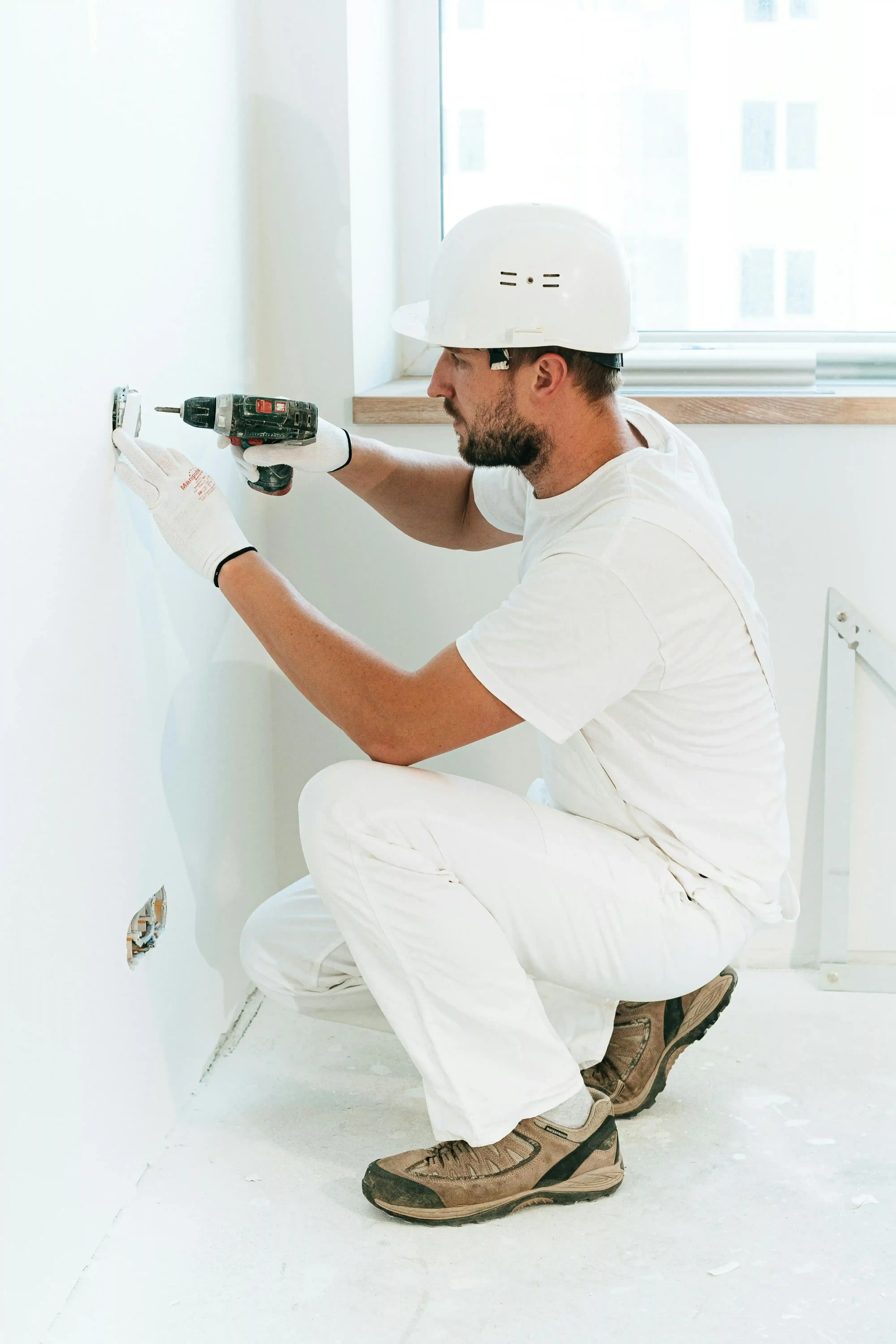
Need a Safe Fitted Properly?
Correct safe fitting in Batley means anchoring a suitable home or business safe to a sound floor or wall, following the manufacturer’s instructions and your insurer’s installation conditions. Weight alone cannot prevent an unfixed safe being removed.
Call 01924 658039 to discuss planned fitting with Batley Locksmith; there is no call-out charge. [CLIENT TO CONFIRM: safe installation service, appointment availability, and supply or fitting-only scope.] Already locked out of your safe? See safe opening.
Why Installation Decides Whether Your Insurance Pays
Buying a rated safe is only part of meeting an insurance requirement. Most insurers require installation that follows the manufacturer’s specification. For many rated safes, that involves anchoring into concrete or solid masonry. Leaving the unit loose inside a wardrobe, or attaching it to an unsuitable surface, may affect your cover.
The policy wording matters alongside the product instructions. Incorrect installation can become relevant when a stolen safe forms part of a claim, but correct fitting cannot guarantee payment. Before buying or arranging installation, obtain written confirmation of the safe, rating and fixing conditions your insurer accepts.
The proposed position also needs to suit the model, dimensions, weight and route through the property. When available, have the make, model, approximate measurements, weight and manual ready for the call. [CLIENT TO CONFIRM: assessment service and advice when the proposed position is unsuitable.] For related door-security requirements, read BS 3621 and insurance-approved locks explained.
Cash Ratings and Eurograde: What Your Insurer Is Asking For
An insurance requirement might name a cash amount, a valuables limit or a resistance grade. These describe different things, so check the requirement against the particular safe before arranging fitting.
Cash rating and valuables rating
A cash rating describes an amount an insurer may agree to insure inside that safe. It is an indication, rather than automatic confirmation of your policy limit.
Valuables ratings concern possessions such as watches and jewellery. Conventionally, the figure is ten times the cash rating, but insurers can calculate or accept limits differently. Do not assume that multiplier applies to your policy: confirm the required figures directly.
Where access rules out one large unit, ask whether several smaller safes could meet the requirement; do not add their ratings together without insurer agreement.
Eurograde and EN 1143-1
EN 1143-1 assesses burglary resistance, with independently certified safes assigned resistance grades commonly called Eurogrades. Grades begin at 0 and rise to reflect greater tested resistance. Certification should be checked against the specific product, as explained in the ECB-S certification guidance.
A grade alone cannot settle the insurance amount:
| Resistance grade | Cash rating to confirm | Valuables rating to confirm |
|---|---|---|
| Grade 0 | Accepted amount for the specific safe and policy | Accepted amount for the intended contents |
| Grade 1 | Accepted amount for the specific safe and policy | Accepted amount for the intended contents |
| Grade 2 or Grade 3 | Accepted amount for the specific safe and policy | Accepted amount for the intended contents |
Use the insurer’s stated requirement when choosing a grade, particularly where business takings or valuable stock will be stored.
Not every safe sold is actually certified
“Security safe” on a product listing does not establish independent certification. A manufacturer’s star rating is also insufficient evidence by itself.
Look for a plate or label identifying the model, relevant standard, resistance grade and certifying organisation. Compare it with the product paperwork and available certification records. Fire resistance is tested separately, so a fire-resistant description does not establish burglary resistance.
Check acceptance with your insurer before purchase. The same distinction between a description and a verified standard is covered in BS 3621 and insurance-approved locks explained.
Where a Safe Should Actually Be Fitted
A useful position balances concealment, everyday access and the building’s ability to support the safe. Its rating describes assessed protection; it does not, by itself, determine what your insurer will cover or make an unsuitable location acceptable.
Floor fixing
For a suitable model, fixing through the manufacturer’s base anchoring points into sound concrete is a common approach. The construction underneath the floor covering matters: suspended timber flooring cannot simply be treated as concrete. Mention the floor construction when calling to discuss the proposed installation.
Wall fixing
Some safes can be anchored into solid masonry where their instructions allow it. Plasterboard, a stud partition or a surface finish should not be assumed to provide the required support. Smaller wall-mounted and recessed safes still need an assessment of the surrounding structure. Ask about wall suitability on the call.
Underfloor safes
An underfloor safe sits within the floor, concealed beneath a covering. Installation involves opening the floor and setting the safe into concrete, making it planned work with preparation requirements beyond a straightforward bolt-down. Call before arranging alterations. [CLIENT TO CONFIRM: underfloor installation capability and preparation scope.]
Where not to put it
Avoid obvious positions such as the main bedroom wardrobe, places visible through a window or doorway, and surfaces unable to support the weight. Damp conditions can also affect the safe and its contents. The door needs space to open and be used comfortably. Discuss the position before delivery or moving the safe.
Safes We Fit
The model and supporting structure determine whether a particular installation is practical. Before choosing fixings, the safe, access route and proposed location need assessing; moving the unit safely into the property is part of that consideration.
[CLIENT TO CONFIRM: service scope for each category below, including supported models, grades, dimensions and weights.]
- Home safes: [CLIENT TO CONFIRM: fitting for safes used for cash, jewellery and documents.]
- Commercial safes: [CLIENT TO CONFIRM: fitting for shops, offices and licensed premises.]
- Fire-rated safes: [CLIENT TO CONFIRM: fitting for document and data-storage models.]
- Wall and underfloor safes: [CLIENT TO CONFIRM: supported designs and associated building work.]
- Deposit safes: [CLIENT TO CONFIRM: fitting for units accepting takings without opening the main compartment.]
For wider premises security, visit commercial locksmith. If the immediate problem is gaining access to an existing unit, use the safe opening page.
Key Safe Installation
When someone cannot readily answer the door, a key safe can give carers or family access using a securely stored door key. These small wall-mounted boxes are also used for holiday lets, visiting tradespeople and shared access. The position and fixing deserve as much attention as the box itself.
Choose a discreet location away from street view, with fixings into suitable solid masonry rather than relying on render or mortar joints. A care provider or insurer may ask for a police-approved model meeting a recognised standard, so check their requirements before buying.
- Ask the care agency which models and positioning arrangements it accepts.
- Check whether a council or housing association is arranging a key safe within a care package.
- [CLIENT TO CONFIRM: key-safe fitting availability and whether approved models are supplied or customer-supplied.]
Call to discuss the access arrangement, or visit residential locksmith for wider home-security needs.
Already Bought a Safe? We Can Fit It
[CLIENT TO CONFIRM: installation of customer-supplied safes purchased from other retailers; any model, grade or weight exclusions; whether safes are also supplied.]
Delivery and installation are separate considerations. A safe bought online may arrive without being secured in its final position, even where fixing is required by its instructions. Have the product details and any supplied fixings available, together with information about the intended room and route into it.
Do not lift or reposition a heavy safe before the route and installation area have been checked. Call with the details before arranging delivery or moving it into place.
What Does Safe Installation Cost?
Safe installation is priced according to the work required. There is no confirmed installation starting price to publish, and a price for another locksmith job cannot establish the cost of fitting your safe.
The main factors are:
- Size and weight: heavier units may need additional people, handling equipment or preparation.
- Fixing method and structure: the wall or floor must be assessed against the safe’s installation requirements.
- Preparation: opening or preparing the supporting area changes the materials and work involved.
- Access: stairs, narrow doors, tight corridors, parking restrictions and the distance from the vehicle can affect handling.
- Installation type: a small safe bolted to suitable concrete generally involves less work than an underfloor unit set into concrete.
Describe the safe and intended position when calling. Photos of both can help explain the job. We give the price during the call using the information you provide; if conditions on site change it, we explain the change before work starts so you can approve it.
Normal working hours are Monday to Friday, 7am–6pm. Labour costs more during evenings after 6pm, nights, weekends and bank holidays.
You pay for the work carried out, any parts needed, and VAT. Rates outside Monday to Friday, 7am to 6pm, are higher, but the call-out itself is never charged.
For separate lockout work, a standard weekday lockout during Monday to Friday, 7am–6pm starts from £70.80 including VAT (£59 plus VAT) per job. That starting figure applies to a straightforward lockout; the final price depends on the lock, required work and timing. It is not a safe-installation quotation.
Call 01924 658039 with your safe details, or read the full guide to locksmith prices in Batley.
What Happens When You Call
- Describe the safe’s make, model, approximate dimensions and weight where known, whether it is new or being relocated, and the intended position, including stairs, narrow openings or other access restrictions.
- Discuss the proposed work and price, with the location and installation requirements checked before work begins and any price change explained for your approval.
- The installation approach must suit the model, manufacturer’s instructions and assessed supporting structure: [CLIENT TO CONFIRM: installation procedure] [PROVIDER PACK: evidence supporting any DBS-check claim].
- Ask about operating the safe and looking after the installation area, and retain the installation record: [CLIENT TO CONFIRM: itemised invoice recording the safe, fixing method and position].
Before the visit, keep the proposed wall or floor visible and clear movable obstacles from the access route. Do not remove doors, alter flooring or undertake structural preparation until the requirements have been established.
Start with a call or contact us with the available product information.
Safe Installation Across Batley
For homeowners, landlords, shops, offices and licensed premises in Batley, safe installation needs planning around the property, the safe and access for the work.
WF17 is the main postcode district identified for the Batley built-up area in the local evidence. [ONSPD, February 2026.] Give your full postcode when enquiring about a booking.
[PROVIDER PACK: confirmed Batley safe-installation coverage, postcode exceptions and appointment availability.]
[CLIENT TO CONFIRM: genuine served areas and approved area-page links.]
You should keep the installation invoice and any other supplied documents with the safe’s product information, because your insurer may ask for evidence when considering a claim. Call with your postcode and model details to discuss the next step.
Book a Safe Installation in Batley
Call 01924 658039 with the safe’s make, model, approximate size and weight to discuss a convenient fitting appointment and ask about checking the position before delivery: [CLIENT TO CONFIRM: appointment availability and pre-delivery advice]. There is no attendance fee, and the work is priced before it begins, with any change explained for approval.
- Phone: 01924 658039
- Online: Contact us
- WhatsApp: [CLIENT TO CONFIRM: availability and contact details]
Emergency locksmith cover operates 24 hours a day throughout the year, including weekends and bank holidays. Safe-installation bookings depend on the work required and confirmed availability.
Frequently Asked Questions
01 Does a safe have to be bolted down?
Most rated safes require anchoring, but the instructions for the particular model decide the appropriate method. A safe designed for fixed installation should be secured using fixings and a supporting structure suitable for that product. Check the manual and confirm insurance conditions before work starts; weight alone does not replace a fixing requirement. Call with the model details to discuss fitting.
02 What cash rating do I need?
Start with the amount of cash or value of possessions you intend to store. Your insurer may require a particular cash rating, valuables limit, resistance grade or certification. Obtain its requirements in writing before choosing the safe. Although valuables limits are conventionally higher than cash limits, do not assume a ten-times calculation will be accepted. Bring those requirements to the installation enquiry.
03 What is a Eurograde safe?
It is a safe with a resistance grade assigned through testing and certification to EN 1143-1. The grade describes tested burglary resistance. It does not automatically confirm the amount covered by an insurance policy, and installation conditions still matter. Check the safe’s certification information and ask your insurer whether the specific product meets its requirements before booking fitting.
04 My safe says "security safe" on it. Is that certified?
The wording alone proves neither testing nor certification. Check for a certification plate or label identifying the standard and certifying organisation, then compare it with the model’s documentation. A maker’s own rating is insufficient evidence of independent certification. If insurance depends on certification, ask the insurer to accept the specific model before arranging installation; have its details ready when calling.
05 Can you fit a safe I have already bought?
[CLIENT TO CONFIRM: customer-supplied safe installation and applicable exclusions.]
Whether fitting is practical depends on the product, its weight, the access route and the proposed supporting structure. Call with whatever model information you have. If available, include the manual, installation instructions and details of supplied fixings. Keep the safe where it can remain safely until the route and final position have been assessed.
06 Where is the best place to put a safe?
Choose somewhere discreet that can support the weight and provide the fixing structure required by the manufacturer. It also needs enough room for normal operation. Avoid damp locations, positions visible from outside and obvious storage spots. A suitable concrete floor can provide an anchoring point for an appropriate model, but the complete installation area still needs checking. Discuss it before moving the safe.
07 Can you fit a key safe for a carer?
[CLIENT TO CONFIRM: key-safe installation for care access and supported models.]
Before buying, ask the care provider about its accepted models and check any insurance conditions. A discreet position and secure fixing into suitable masonry matter alongside the product itself. Call to discuss the proposed location and whether fitting is available, or see residential locksmith for related home-access needs.
08 How much does safe installation cost in Batley?
The safe’s size and weight, access route, supporting structure, fixings and preparation all affect the quotation. An underfloor installation involves different work from bolting a suitable unit to an existing concrete floor. Call 01924 658039 for a price based on your installation. The call-out is free at every hour, and any change to the quoted work or price is explained before work begins.
Batley Locksmith
Services
- 24 Hour Emergency Locksmith
- Locked Out of Your House
- Lock Replacement
- Door Lock Repair
- Lock Installation
- uPVC Door Lock Repair and Replacement
- Window Lock Repair and Replacement
- Broken Key Removal
- Burglary Repairs
- Emergency Boarding Up
- Safe Opening
- Safe Installation
- Domestic and Residential Locksmith
- Commercial Locksmith
© 2026 Batley Locksmith. Local figures on this site are drawn from ONS Census 2021, the Valuation Office Agency, data.police.uk and planning.data.gov.uk (Open Government Licence) and OpenStreetMap (ODbL).